How to Help Prevent Water Damage
Simple maintenance habits that can reduce common plumbing and leak risks.
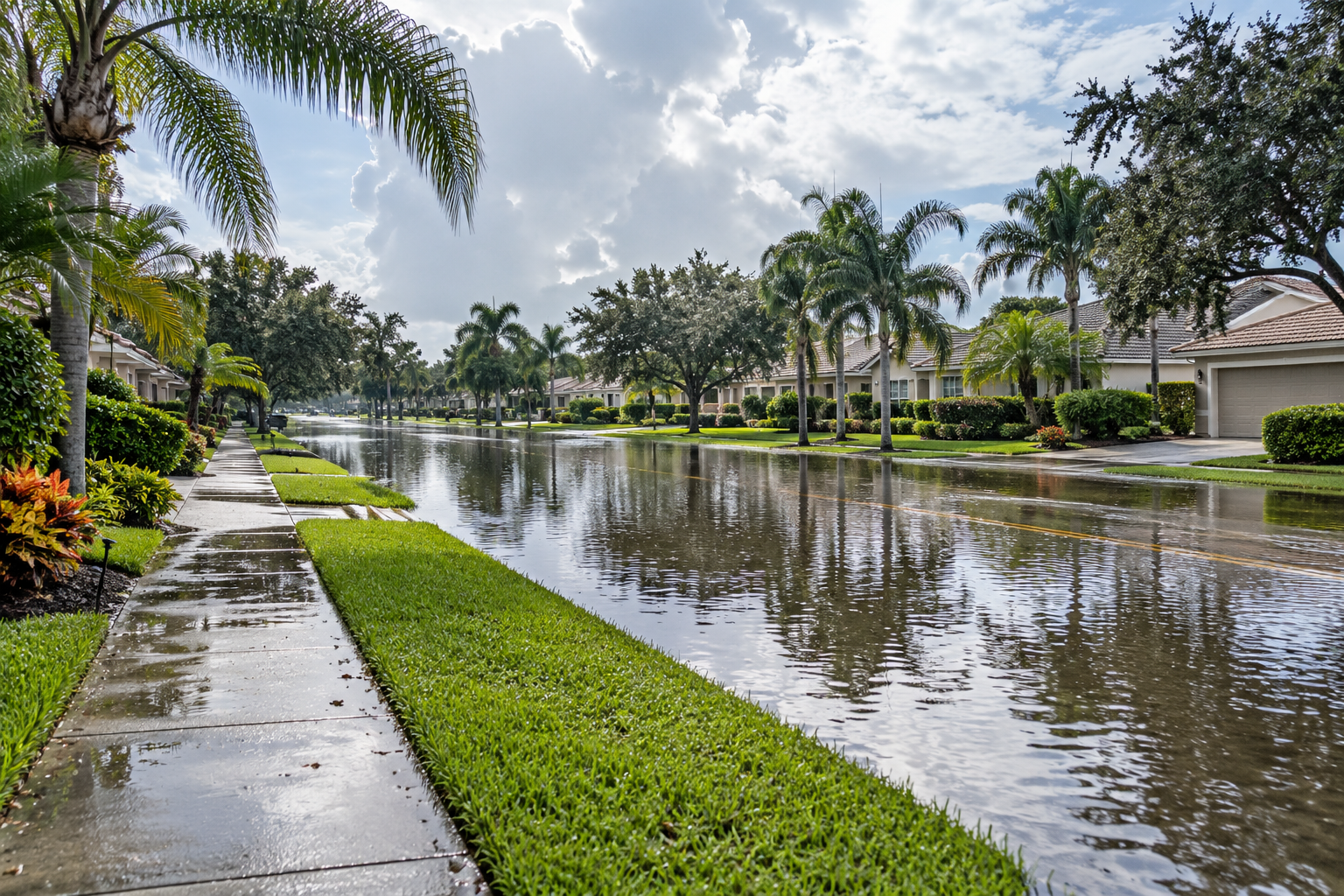
What Tampa property owners should know
Inspect supply lines, appliance connections, water heaters and roof areas periodically. Know where the main water shutoff is and address small leaks before they become larger problems.
A practical check by water source
- Supply lines: Look under sinks and behind appliances for dampness, corrosion, bulges or slow drips. Ask a plumber about questionable connections.
- Water heater: Check the surrounding floor and drain pan for unexplained moisture. Follow the manufacturer's service guidance rather than attempting unsafe repairs.
- Air conditioning: Watch for water around the air handler and blocked condensate drainage. EPA recommends keeping AC drip pans clean and drain lines unobstructed.
- Roof and openings: After heavy Tampa rain, look for new ceiling stains or damp window trim from inside; arrange qualified roof inspection rather than climbing onto a wet roof.
- Records: Keep a current room photo set, policy details and a list of emergency contacts. Know where the main water shutoff is before a leak occurs.
There is no maintenance schedule that prevents every loss. A quick monthly visual check, plus a check after major storms, can help you spot a change early. Save the printable checklist and read our Tampa storm preparation article. For moisture prevention details, see EPA guidance.
When to call for professional help
Significant standing water, contaminated water, hidden moisture, damaged drywall or flooring, or water near electrical systems can require professional assessment. Safety should come before cleanup.
Related Tampa services
To prioritize household checks, review the common water-damage sources and the signs each can leave behind.