Sewage Backup in Tampa: First Safety Steps
A toilet or drain backup is not a routine puddle. The first decision is to keep people away from the affected area and identify who needs to be notified.
Keep children and pets out of a sewage-affected room. Avoid contact with the water. If it has reached electrical equipment or an immediate safety threat exists, leave the area and call for appropriate emergency help.
What makes a backup different?
Water from a toilet, floor drain or sewer can carry contamination. You cannot judge its safety by how clear it looks. Heavy rain and flooding can also affect wastewater systems. The CDC advises avoiding contact with floodwater that may contain sewage.
First steps from a safe location
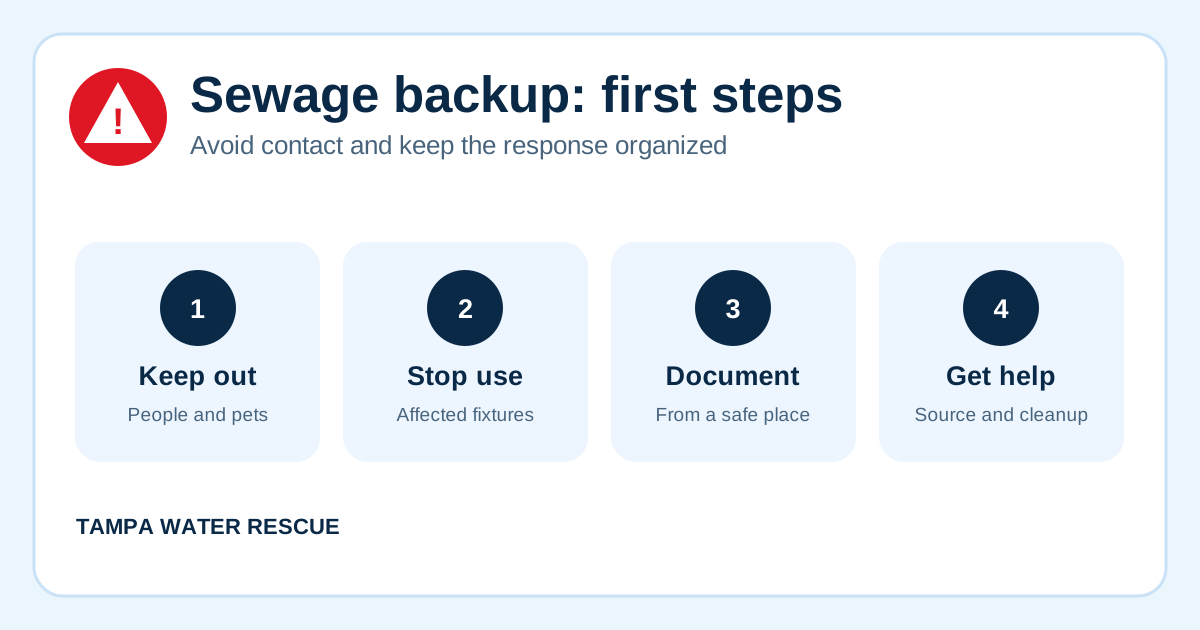
- Keep people out. Close off the affected area where possible and keep children, pets and unprotected visitors away.
- Stop adding water. If a drain or toilet is backing up, avoid using affected fixtures. Notify the property manager if you rent or share a building system.
- Document without entering. Take photos from a safe dry location, note the time and location of the backup, and keep any service or supply receipts.
- Find the right help. A plumber or utility may need to identify the source; qualified cleanup help may be needed for contaminated materials and drying.
What to ask before cleanup begins
Ask whether the source has been identified and stopped, which materials have been affected, what can be cleaned, what may need removal, and how drying will be checked. Porous materials may be harder to clean after sewage exposure. Do not mix cleaning chemicals or enter an electrically unsafe area.
Floodwater can be an unknown-water event
Stormwater that entered from outside can carry sewage or other pollutants even if a toilet did not overflow. Follow Tampa emergency instructions during severe weather. The Tampa Flooding Guide explains where to find official local alerts and how to distinguish an evacuation zone from a flood zone.
For more detail, see the Tampa sewage-cleanup information page, the Resource Center and the printable emergency checklist.
Source: CDC floodwater and wastewater guidance; EPA floodwater guidance.
Call for a restoration-assistance connection when water damage needs prompt attention.
☎ (725) 745-8642CALL FOR WATER DAMAGE HELPTampa Water Rescue is an independent informational and lead connection website. This general guide does not replace emergency instructions, insurance advice, or an assessment by a qualified professional.